
 By editor
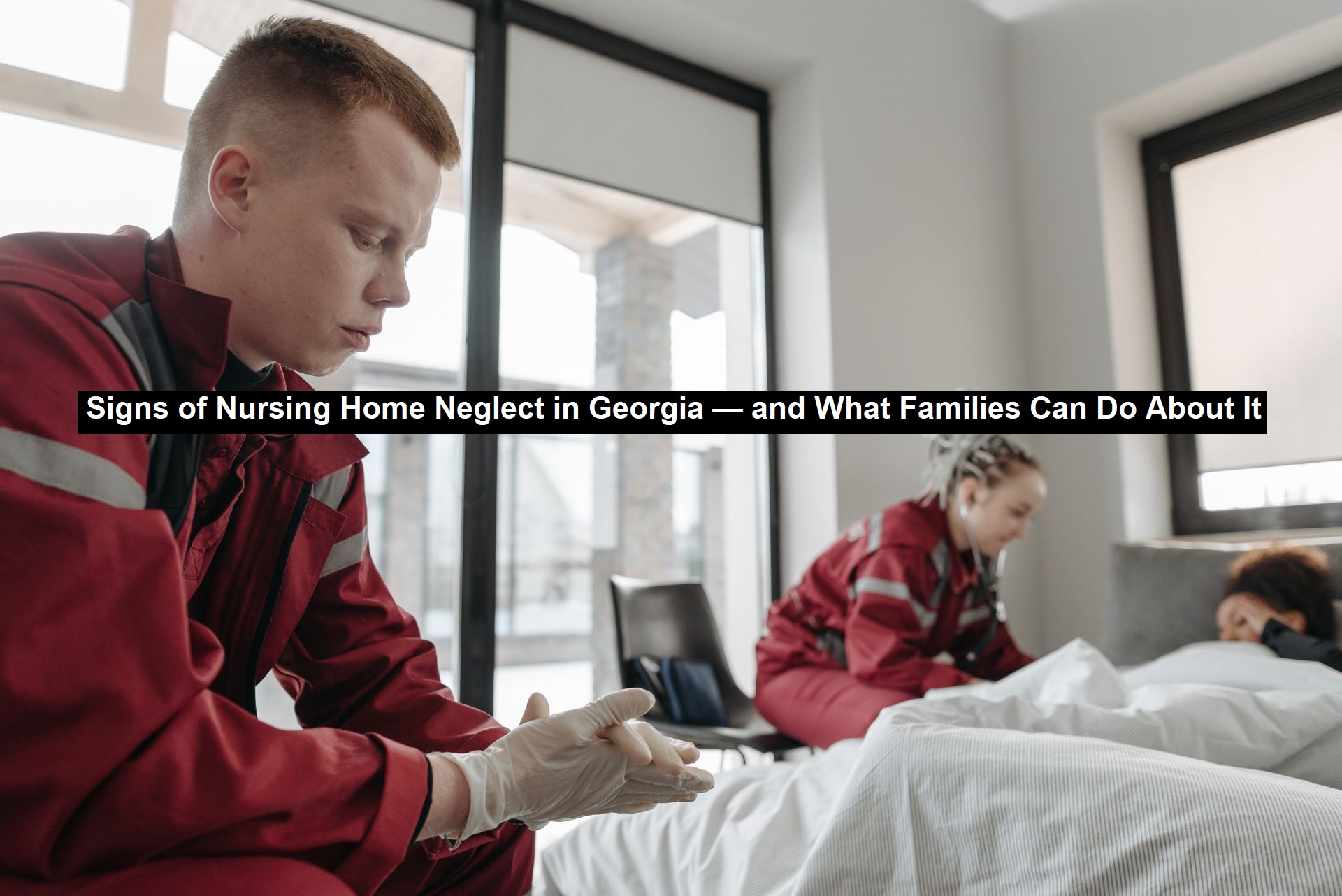
Choosing a nursing home or assisted living community is one of the hardest decisions a family makes. You trust the staff to keep your parent or grandparent safe, fed, clean and treated with dignity. Most facilities work hard to earn that trust. When one falls short, though, the signs are often quiet, and families are usually the first to notice them.
This guide covers the warning signs of nursing home abuse and neglect, how to report concerns in Georgia, and the steps that protect your loved one’s health and legal rights.
Quick answer: Common signs of nursing home neglect include bedsores, unexplained bruises or falls, sudden weight loss, dehydration, poor hygiene, and sudden changes in mood or behavior. In Georgia, call 911 if someone is in danger. Report suspected abuse in a long-term care facility to the Department of Community Health’s Healthcare Facility Regulation Division at 1-800-878-6442. Write down what you see, take dated photos, and act quickly, because most injury claims in Georgia have a two-year filing deadline.
Why Neglect Often Goes Unnoticed
Neglect is rarely one dramatic event. It is usually a pattern: call lights left unanswered, meals left uneaten, a resident who is not turned often enough in bed. Understaffing is a common root cause. Many residents also have dementia, hearing loss or limited mobility, so they cannot always explain what is happening to them. That puts families and regular visitors in an important position.
Physical Warning Signs
Watch for changes in your loved one’s body and health, especially ones staff cannot clearly explain:
- Bedsores (pressure ulcers): Often on the heels, hips, tailbone or back. They usually point to a resident who is not being repositioned.
- Unexplained bruises, cuts or fractures: Especially on the wrists, arms or inner thighs, or injuries with a story that keeps changing.
- Frequent falls: Repeated falls can signal poor supervision or missing fall-prevention measures.
- Sudden weight loss or dehydration: Dry lips, sunken eyes, confusion or dark urine can mean meals and fluids are not being provided or assisted.
- Poor hygiene: Soiled clothing or bedding, body odor, unwashed hair or untreated infections.
- Medication problems: Unusual drowsiness, missed doses or a sudden decline after medication changes.
Emotional and Behavioral Signs
Abuse is not always physical. Emotional abuse, intimidation and isolation leave marks too:
- Withdrawal, fearfulness or new anxiety, especially around particular staff members
- Reluctance to speak openly while staff are in the room
- Agitation, rocking, or other new behaviors not explained by a diagnosis
- Sudden changes in finances, missing belongings or unfamiliar charges
Read: Can Voice Recordings Be Used in Court?
Red Flags in How the Facility Operates
Sometimes the warning signs are about the facility itself:
- Staff turnover is constant, or you rarely see the same caregivers twice
- You are discouraged from visiting at certain times or from being alone with your loved one
- Questions about injuries get vague or defensive answers
- Call lights go unanswered for long stretches
- The building smells of urine, or common areas are consistently unclean
You can also check a facility’s history. Medicare’s Care Compare tool shows inspection results, staffing levels and star ratings for Medicare- and Medicaid-certified nursing homes.
How to Report Suspected Nursing Home Abuse in Georgia
Who you contact depends on where your loved one lives and how urgent the situation is. Georgia’s official guidance, published at georgia.gov, breaks it down like this:
| Situation | Who to contact | How |
| Someone is in immediate danger | Police or emergency services | Call 911 |
| Abuse or neglect in a nursing home, assisted living or other long-term care facility | Georgia Department of Community Health, Healthcare Facility Regulation Division | 1-800-878-6442 |
| Abuse, neglect or exploitation of an older or disabled adult living at home or in the community | Adult Protective Services (APS) | 1-866-552-4464, option 3, or the online APS intake form |
| You need a welfare check | Local law enforcement | Non-emergency line |
You do not need proof to make a report. Reports are reviewed confidentially, and investigators decide whether the facts support action. If you are unsure which agency to call, start with the one that fits best and explain the full situation.
It also helps to raise the concern in writing with the facility’s administrator or director of nursing. A written complaint creates a dated record that the facility was told about the problem.
How to Document What You’re Seeing
Good records make it easier for investigators, doctors and attorneys to act. Start right away:
- Write it down. Note the date, time, what you saw, and the names of staff you spoke with. Short daily notes are fine.
- Take photos. Photograph injuries, bedsores, soiled bedding or unsafe conditions, with the date visible if possible.
- Ask for a medical evaluation. Request that your loved one’s own physician examine them, or take them to an emergency room if an injury looks serious.
- Request records. Federal rules give residents and their legal representatives the right to access their medical records. Ask for care plans, nursing notes, incident reports and medication records.
- Keep every communication. Save emails, texts, discharge papers and any written replies from the facility.
- Don’t sign anything new without reading it. Some facilities ask families to sign releases or arbitration agreements. Federal rules bar Medicare- and Medicaid-certified nursing homes from making an arbitration agreement a condition of admission.
Know Your Loved One’s Rights Under Georgia Law
Georgia has a Bill of Rights for Residents of Long-Term Care Facilities (O.C.G.A. § 31-8-100 and following). It protects residents’ dignity, privacy, access to visitors and freedom from abuse. Federal regulations add more protections for any nursing home that accepts Medicare or Medicaid. These include the right to be free from abuse, neglect, misappropriation of property and unnecessary physical or chemical restraints.
Georgia law also requires facility staff and other caregivers to report suspected abuse. A facility that ignores warning signs, or fails to report them, may be violating its legal duties as well as its duty of care.
When to Talk to a Lawyer
Reporting abuse protects your loved one now. A legal claim can hold a facility accountable for the harm already done. It can also cover medical bills, pain and suffering, and in the worst cases, wrongful death.
Timing matters. Most personal injury claims in Georgia must be filed within two years (O.C.G.A. § 9-3-33). Claims involving professional medical care can carry extra requirements, including an expert affidavit filed with the complaint. Evidence also fades fast. Staff leave, records get overwritten, and wounds heal.
If you suspect neglect caused a serious injury, a fracture, a stage 3 or 4 bedsore, or a death, talk to an experienced Atlanta nursing home abuse lawyer as soon as you can. Most offer free consultations. A lawyer can preserve records, bring in medical experts, and deal with the facility and its insurer so your family can focus on care.
A few questions to ask in that first meeting:
- Have you handled nursing home or assisted living cases in Georgia?
- Do you work with nurses or physicians who review these cases?
- How do you charge? Many work on contingency, so you pay nothing unless there is a recovery.
- What should we do now to protect evidence?
Frequently Asked Questions
What is the difference between nursing home abuse and neglect?
Abuse is an intentional act that causes harm, such as hitting, threatening or exploiting a resident. Neglect is a failure to provide needed care, such as food, water, hygiene, repositioning or medication. Both can support a legal claim.
Will my report be kept confidential?
Reports to Adult Protective Services and Healthcare Facility Regulation are kept confidential. Giving your contact details helps investigators follow up, but you do not need proof to report.
Do assisted living communities have to follow the same rules as nursing homes?
Not exactly. Georgia licenses assisted living communities and personal care homes separately from nursing homes, under different rules. Residents in all of them are protected from abuse and neglect, and complaints about any licensed facility go to Healthcare Facility Regulation.
How long do we have to file a nursing home abuse claim in Georgia?
Most claims must be filed within two years of the injury. Some deadlines can be shorter or longer depending on the facts, so speak with a lawyer early.
Will reporting the facility cause retaliation against my loved one?
Retaliation against a resident for a complaint is prohibited. If you notice changes in treatment after you report, document them and tell the investigating agency.
The Bottom Line
You know your loved one better than anyone. If something feels wrong, trust that instinct. Write down what you see, report it to the right agency, and get advice early. Acting quickly protects their safety, their dignity and their rights.
Editorial note: This article is for general information only and is not legal advice. Reading it does not create an attorney-client relationship. Laws change, and every situation is different.
Author’s Bio:
This article was contributed by the team at Thomas Kennedy Sampson & Tompkins LLP, an Atlanta personal injury and civil rights law firm founded in 1971 and known as Georgia’s oldest Black-owned law firm. The firm represents injured people and families across metro Atlanta.